Hong Kong Goldfish Species & Breeding Guide for Collectors 2025
Comprehensive technical guide covering 200+ goldfish varieties, advanced breeding techniques, genetic lineages, and professional care requirements for serious collectors and enthusiasts visiting Hong Kong's world-renowned goldfish markets.
🏆 Why Hong Kong for Goldfish Collectors
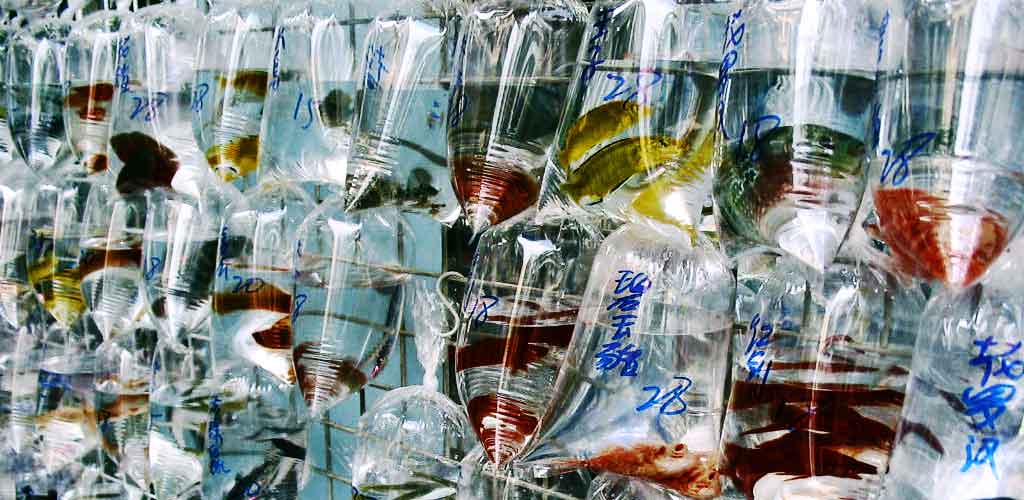
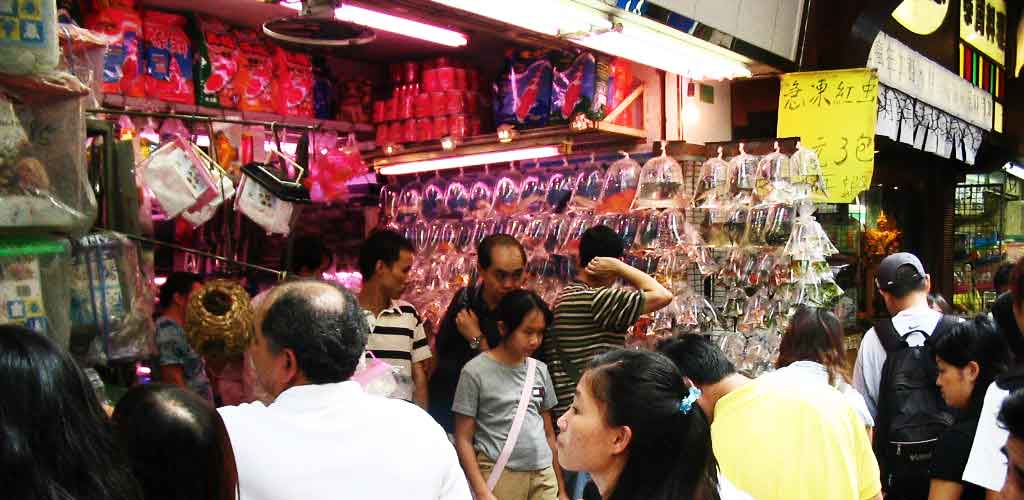
Hong Kong represents one of the world's most sophisticated goldfish markets, with access to rare Chinese bloodlines, Japanese premium varieties, and cutting-edge breeding techniques. The market offers varieties unavailable elsewhere, making it essential for serious collectors.
Understanding Goldfish Taxonomy and Classification
All goldfish belong to the species Carassius auratus, domesticated from Prussian carp over 1,000 years ago in China. However, this single species encompasses over 200 recognized varieties through selective breeding, each with distinct genetic traits, care requirements, and commercial value.
Scientific Classification System
Kingdom: Animalia
Phylum: Chordata
Class: Actinopterygii
Order: Cypriniformes
Family: Cyprinidae
Genus: Carassius
Species: C. auratus
🔬 Collector's Technical Notes
Professional breeders categorize goldfish into morphological groups based on body shape, fin configuration, eye development, and specialized features. Understanding these classifications is essential for proper breeding programs and market evaluation.
Primary Morphological Classifications
Single-Tail Varieties (Hardy Types)
Single-tail goldfish maintain the streamlined body shape closest to their wild ancestors, making them the hardiest varieties suitable for both novice and expert breeders. These fish demonstrate exceptional environmental adaptability and represent the foundation of goldfish genetics.
Body Type Characteristics feature an elongated, torpedo-shaped profile that maximizes swimming efficiency and reduces energy expenditure during movement. This streamlined design reflects the natural selection pressures that shaped goldfish ancestors in flowing waters, resulting in superior cardiovascular health and longevity compared to fancy varieties. The body proportions typically maintain a 3:1 length-to-height ratio, providing optimal hydrodynamic performance.
Fin Structure and Function includes single caudal and anal fins that provide precise movement control and stability during swimming. The single fin configuration reduces drag while maximizing propulsion efficiency, allowing these fish to navigate strong currents and maintain position in challenging water conditions. This fin arrangement is genetically dominant and forms the basis for more complex fin mutations in fancy varieties.
Swimming Performance demonstrates excellent capability with fast, sustained movement that surpasses all other goldfish varieties. Single-tail goldfish can maintain cruising speeds of 2-3 body lengths per second and achieve burst speeds exceeding 6 body lengths per second when necessary. This athletic ability makes them ideal for large pond environments and breeding programs focused on vigor and hardiness.
🌡️ Temperature Adaptability
Single-tail varieties tolerate temperature ranges from 60-80°F (15-27°C) with remarkable stability, surviving brief temperature excursions outside this range better than fancy varieties. Their thermal adaptability makes them suitable for outdoor pond culture in most climates and reduces heating costs in aquaculture operations.
Breeding Accessibility ranges from easy to intermediate difficulty levels, making single-tail varieties excellent choices for beginning breeders while still offering genetic complexity for advanced breeding programs. Their robust nature ensures higher fry survival rates and reduces the specialized care requirements needed during breeding seasons.
Common Goldfish (C. auratus var. auratus)
The foundational variety from which all others derive, representing the genetic baseline for goldfish breeding and serving as the reference standard for hardiness and adaptability.
Adult Size Potential typically reaches 8-12 inches (20-30 cm) in standard aquarium conditions, with exceptional specimens growing up to 16 inches in optimal pond environments with adequate space and nutrition. Size potential directly correlates with environmental factors including water volume, filtration quality, feeding regimen, and genetic lineage. Breeders targeting maximum size should provide minimum 100-gallon environments per adult fish and maintain consistent water quality parameters.
Color Expression and Genetics displays natural variations including orange, red, white, yellow, and bronze combinations that reflect the species' genetic diversity and breeding history. Color intensity and retention depend on diet quality, water chemistry, lighting conditions, and genetic factors passed through breeding lines. Premium specimens maintain deep, consistent coloration throughout their lifetime, while lower-grade fish may experience color fading or irregular pattern development.
Longevity and Life Cycle averages 15-25 years with proper care, representing exceptional lifespan potential among ornamental fish species. This longevity makes common goldfish valuable for multi-generational breeding programs and long-term pond stocking projects. Factors affecting lifespan include water quality maintenance, disease prevention, appropriate diet, environmental stability, and genetic background from reputable breeding lines.
🐟 Breeding Success Factors
Common goldfish spawn readily during spring and summer temperature rises, typically beginning reproduction at 2-3 years of age. Successful breeding requires temperature fluctuations that trigger spawning behavior, adequate protein nutrition for egg production, and appropriate spawning surfaces for egg attachment.
Market Value and Investment ranges from $2-15 depending on color quality, size, health condition, and breeding lineage. While common goldfish represent the most affordable entry point for collectors, premium breeding stock from established genetic lines can command higher prices. Market value appreciation occurs through selective breeding for superior traits, size potential, and color consistency across breeding generations.
Comet Goldfish
Developed in the United States, distinguished by:
- Tail Structure: Deeply forked, flowing caudal fin (longer than body)
- Body Ratio: More slender than common goldfish
- Color Variations: Red, white, yellow, calico patterns
- Swimming Performance: Exceptional speed and agility
- Breeding Notes: Males develop tubercles on gill covers during spawning
Shubunkin Varieties
Three distinct sub-varieties exist:
- London Shubunkin: Rounded fins, moderate tail length
- Bristol Shubunkin: Heart-shaped caudal fin with rounded lobes
- American Shubunkin: Similar to Comet but with calico coloration
💡 Breeding Strategy Notes
Single-tail varieties are excellent for beginners due to their hardiness and easy breeding. They can cross-breed with each other but will not produce viable offspring with fancy double-tail varieties due to genetic incompatibility.
Fancy Goldfish Varieties (Double-Tail Types)
Fancy goldfish represent the pinnacle of selective breeding artistry, characterized by egg-shaped bodies and double caudal fins. These varieties require more specialized care but command higher market prices.
Oranda Goldfish
One of the most popular fancy varieties, distinguished by the "wen" or head growth:
- Wen Development: Fleshy growth covering head, sometimes extending to gill covers
- Body Shape: Egg-shaped, compact profile
- Fin Configuration: Double caudal fin, high dorsal fin
- Color Varieties: Red-cap (white body, red wen), chocolate, calico, blue, black
- Adult Size: 6-8 inches (15-20 cm)
- Breeding Challenges: Wen growth can interfere with spawning behavior
- Market Value: $25-150 for quality specimens
Ranchu Goldfish
Considered the "King of Goldfish" in Japan, featuring:
- Dorsal Profile: No dorsal fin, curved back creating distinctive silhouette
- Head Development: Pronounced wen covering entire head region
- Swimming Characteristics: Slow, deliberate movement
- Breeding Line Variations: Japanese bloodlines differ from Chinese stocks
- Temperature Requirements: 68-75°F (20-24°C) optimal
- Premium Market Value: $50-500+ for show-quality fish
Ryukin Goldfish
Japanese variety with distinctive body architecture:
- Dorsal Hump: Pronounced arch behind the head
- Fin Structure: Long, flowing double caudal fin
- Color Strains: Red-white combinations most prized
- Body Depth: Very deep, almost spherical when viewed from front
- Breeding Considerations: Requires careful selection for proper body proportions
🎌 Japanese vs Chinese Bloodlines
Japanese breeders focus on body conformation and swimming deportment, while Chinese breeders emphasize color intensity and unique features. Understanding these breeding philosophies is crucial for collectors targeting specific characteristics.
Specialized Eye Varieties
Telescope Goldfish (Demekin)
Characterized by protruding, cone-shaped eyes:
- Eye Development: Conical protrusions extending from skull
- Vision Capabilities: Reduced compared to normal-eyed varieties
- Care Requirements: Soft substrates, no sharp decorations
- Color Varieties: Black Moor, Panda, Red-White, Chocolate
- Breeding Notes: Eye prominence can interfere with feeding behavior
Bubble Eye Goldfish
Perhaps the most delicate variety, featuring:
- Bubble Structure: Fluid-filled sacs beneath each eye
- Genetic Basis: Recessive trait requiring careful breeding
- Fragility: Bubbles can rupture, requiring immediate care
- Housing Requirements: Bare-bottom tanks recommended
- Market Rarity: Commands premium prices due to difficulty breeding
Celestial Eye Goldfish
Eyes pointing upward, creating unique appearance:
- Eye Position: Pupils directed skyward
- Feeding Adaptation: Bottom-feeding behavior due to eye position
- Swimming Pattern: Slower, more deliberate movement
- Breeding Difficulty: High - requires selection for proper eye positioning
Advanced Breeding Techniques
Genetic Principles in Goldfish Breeding
Understanding Mendelian genetics is essential for serious breeders:
Color Genetics
- Dominant Colors: Red/Orange (R), Black (B)
- Recessive Colors: White (r), Yellow (y)
- Metallic Scales: Dominant trait (M)
- Matte Scales: Recessive trait (m)
- Calico Pattern: Requires specific gene combinations (RrBbMm)
Body Shape Inheritance
- Single Tail: Dominant (S)
- Double Tail: Recessive (s)
- Normal Eyes: Dominant (E)
- Telescope Eyes: Recessive (e)
- Dorsal Fin Present: Dominant (D)
- Dorsal Fin Absent: Recessive (d)
🧬 Breeding Success Formula
Successful fancy goldfish breeding requires understanding gene combinations. For example, to produce telescope-eyed, double-tail goldfish, both parents must carry recessive genes (eess), while maintaining viability through careful line management.
Spawning and Fry Management
Breeding Condition Requirements
- Water Temperature: Gradual increase from 65°F to 70-75°F (18-24°C)
- Day Length: Increasing photoperiod (12-14 hours light)
- Nutrition: High-protein diet 3-4 weeks prior to spawning
- Water Quality: Ammonia 0ppm, Nitrite 0ppm, pH 7.0-8.0
Breeding Setup
- Tank Size: Minimum 40 gallons for breeding pair
- Spawning Media: Java moss, spawning mops, or artificial plants
- Filtration: Gentle sponge filters to avoid damaging eggs
- Separation: Remove adults immediately after spawning
Fry Development Timeline
- Day 1-2: Egg development, 48-72 hour hatching period
- Day 3-7: Yolk sac absorption, fry attached to surfaces
- Day 8-14: Free-swimming, begin feeding infusoria/liquid fry food
- Day 15-30: Transition to baby brine shrimp, micro pellets
- Month 2-6: Color development, body shape formation
- Month 6-12: Final form establishment, breeding maturity
🍼 Critical Fry Care Tips
Fry mortality can exceed 90% without proper care. Key factors include stable water temperature, appropriate food size progression, and gradual increase in tank space as fish grow. Successful breeders often separate fry by development rate to prevent cannibalism.
Water Chemistry and Environmental Management
Species-Specific Requirements
Hardy Single-Tail Varieties
- Temperature Range: 60-80°F (15-27°C)
- pH Tolerance: 6.5-8.5
- Hardness: 5-25 dGH
- Dissolved Oxygen: 5-8 mg/L
- Ammonia Tolerance: Higher than fancy varieties
Fancy Goldfish Varieties
- Temperature Range: 68-75°F (20-24°C) optimal
- pH Requirement: 7.0-8.0 (stable)
- Hardness: 8-15 dGH
- Dissolved Oxygen: 6-8 mg/L minimum
- Water Changes: 25-30% weekly minimum
Tank Size Requirements by Variety
| Goldfish Type | Single Fish | Each Additional | Maximum Stocking |
|---|---|---|---|
| Common/Comet | 40 gallons | +20 gallons | 1 inch per 3 gallons |
| Fancy Varieties | 20 gallons | +10 gallons | 1 inch per 2 gallons |
| Premium Show Fish | 30 gallons | +15 gallons | 1 fish per 15 gallons |
Feeding and Nutrition for Breeding Success
Life Stage Nutrition
Fry (0-3 months)
- Week 1-2: Infusoria, liquid fry food 6-8 times daily
- Week 3-4: Baby brine shrimp, micro pellets 4-5 times daily
- Month 2-3: Small pellets, frozen foods 3-4 times daily
Juvenile (3-12 months)
- Protein Content: 35-40% for growth
- Feeding Frequency: 2-3 times daily
- Portion Size: What can be consumed in 3-5 minutes
Adult (12+ months)
- Maintenance Diet: 30-35% protein
- Breeding Diet: 40-45% protein 4 weeks before spawning
- Feeding Schedule: 1-2 times daily
Specialized Diets by Variety
Telescope and Bubble Eye Varieties
- Sinking Pellets: Easier to locate and consume
- Gel Foods: Reduce swim bladder issues
- Extended Feeding Time: Allow 10-15 minutes for feeding
Show-Quality Fish
- Color Enhancement: Foods with spirulina, astaxanthin
- Premium Ingredients: Krill, bloodworms, daphnia
- Supplement Schedule: Vitamins weekly, probiotics bi-weekly
🥇 Competition Diet Secrets
Show breeders often use specialized feeding regimens including live foods, color-enhancing supplements, and precise feeding schedules to maximize fish appearance and health for competitions. These techniques can also improve breeding success rates.
Disease Prevention and Health Management
Common Health Issues by Variety
Fancy Goldfish Specific Conditions
- Swim Bladder Disorder: More common in round-bodied varieties
- Wen Infections: Oranda and Lionhead head growths prone to bacterial issues
- Eye Injuries: Telescope and Bubble Eye varieties vulnerable to damage
- Digestive Issues: Compact body shape increases constipation risk
Breeding-Related Health Considerations
- Spawning Stress: Temporary reduction in immune function
- Egg Binding: Female unable to release eggs (nutritional/environmental)
- Fry Mortality: Genetic abnormalities in heavily selected lines
- Line Maintenance: Inbreeding depression over multiple generations
Quarantine and Biosecurity
New Fish Protocol
- Quarantine Duration: 4-6 weeks minimum
- Observation Period: Monitor for parasites, bacterial infections
- Preventive Treatment: Anti-parasitic medication recommended
- Water Testing: Ensure compatibility with main collection
Breeding Facility Biosecurity
- Equipment Disinfection: Nets, siphons between tanks
- Water Source: Consistent, treated supply
- Visitor Protocol: Limited access, hand washing requirements
- Record Keeping: Health history, breeding records
Market Evaluation and Grading Standards
Show Quality Assessment Criteria
Body Conformation (40% of score)
- Symmetry: Balanced proportions, straight swimming
- Depth: Body depth to length ratio (variety specific)
- Profile: Smooth curves, no deformities
- Size: Mature size appropriate for variety
Fin Quality (25% of score)
- Shape: Variety-specific standards
- Carriage: Proper fin positioning and movement
- Condition: No tears, splits, or deformities
- Pairing: Matched fins (double-tail varieties)
Color and Pattern (20% of score)
- Intensity: Rich, vibrant coloration
- Uniformity: Even color distribution
- Pattern: Clear definition in multi-colored fish
- Metallic Quality: Reflective scale appearance
Deportment (15% of score)
- Swimming Style: Graceful, controlled movement
- Stability: Maintains position without effort
- Alertness: Responsive to environment
- Condition: Healthy appearance, full fins
💎 Investment Grade Fish
Show-quality goldfish can appreciate significantly in value, with championship bloodlines commanding thousands of dollars. Understanding grading standards helps collectors identify future valuable fish at lower prices in Hong Kong markets.
Seasonal Breeding Calendar
Hong Kong Climate Breeding Schedule
Spring (March-May)
- Primary Breeding Season: Natural temperature increase triggers spawning
- Optimal Varieties: Hardy single-tail varieties
- Market Activity: High demand for breeding stock
- Fry Development: Ideal growing conditions
Summer (June-August)
- Breeding Continuation: Second spawning possible
- Fry Management: Rapid growth, frequent feeding required
- Market Focus: Juvenile fish from spring breeding
- Care Considerations: Heat stress management critical
Autumn (September-November)
- Show Season: Peak time for competitions
- Sales Activity: Premium fish marketed for shows
- Breeding Prep: Conditioning fish for winter
- Import Season: Japanese varieties often imported
Winter (December-February)
- Rest Period: Reduced activity, lower feeding
- Planning Phase: Prepare breeding programs
- Market Evaluation: Assess previous year's results
- Equipment Maintenance: Service tanks and filtration
Record Keeping and Breeding Documentation
Essential Records for Serious Breeders
Fish Identification System
- Individual Tags: Micro-chip or unique marking system
- Photo Documentation: Regular photos tracking development
- Lineage Records: Parent fish identification and history
- Genetic Markers: Known dominant and recessive traits
Breeding Records
- Spawning Dates: Environmental conditions, water parameters
- Egg Counts: Fertility rates, hatching success
- Fry Development: Growth rates, survival percentages
- Selection Notes: Which offspring retained for breeding
Health Monitoring
- Medical History: Treatments, medications used
- Vaccination Records: Preventive treatments
- Growth Charts: Size development over time
- Behavioral Notes: Any unusual patterns or changes
📊 Digital Tools for Modern Breeders
Many professional breeders now use specialized software or apps to track breeding records, genetic lines, and fish development. These digital tools help maintain detailed records essential for serious breeding programs and market valuation.
Conclusion: Building a Successful Breeding Program
Success in goldfish breeding requires patience, scientific understanding, and dedication to quality standards. Whether targeting rare varieties for collection or developing breeding lines for market, the principles remain consistent: understand genetics, maintain optimal conditions, keep detailed records, and continuously learn from both successes and failures.
Hong Kong's goldfish markets offer unparalleled access to diverse bloodlines and breeding stock, making it an essential destination for serious collectors and breeders worldwide. By understanding the technical aspects covered in this guide, enthusiasts can make informed decisions and build successful breeding programs that contribute to the preservation and advancement of these remarkable fish.
🎯 Next Steps for Serious Collectors
Visit Hong Kong during peak breeding season (March-May) to observe and acquire breeding stock. Connect with local breeders, attend goldfish competitions, and consider joining international goldfish societies to expand knowledge and network with fellow enthusiasts worldwide.